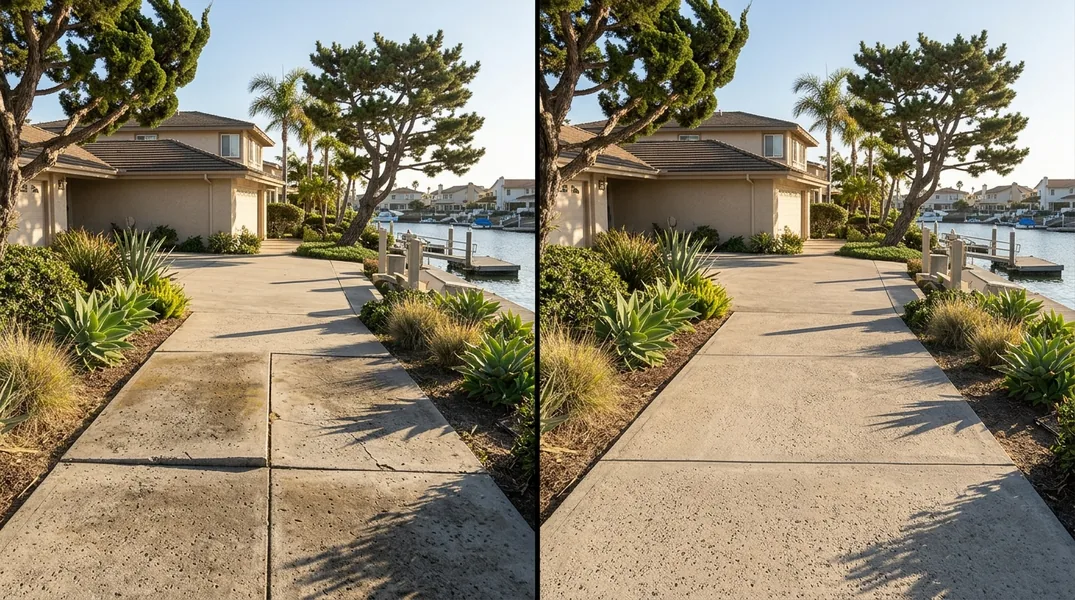
Understanding Oxnard's Unique Soil Composition
Oxnard sits in a region shaped by geological forces that most homeowners never think about, yet these forces directly impact the longevity of concrete structures. The primary soil type in our area is sandy alluvium, a relatively loose combination of sand, silt, and gravel deposited by ancient river systems. This composition creates both opportunities and challenges for concrete installation and maintenance.
Sandy alluvium lacks the cohesion and stability of clay-based soils found in other parts of California. When water infiltrates sandy soil, it drains quickly, which sounds beneficial at first. However, this rapid drainage can leave voids and gaps beneath concrete slabs over time. As these voids enlarge, the concrete loses its support structure, leading to what property owners call a settling slab condition. In Oxnard, this problem is particularly common because our soil naturally wants to shift and compact. The result is uneven concrete surfaces, cracked driveways, and costly structural problems if left unaddressed.
Understanding this soil behavior is crucial for anyone planning new Concrete Driveways or maintaining existing ones. A contractor familiar with local conditions will recommend proper base preparation, compaction techniques, and drainage solutions that account for our sandy alluvium. Without these precautions, even a well-poured concrete slab can fail prematurely.
Shallow Groundwater: The Hidden Enemy Beneath Your Driveway
While sandy soil drains quickly at the surface, the groundwater table in Oxnard often sits surprisingly close to grade level. In many residential areas, particularly those near agricultural zones or closer to the coast, groundwater can be found just two to four feet below the surface. This shallow water table creates a persistent moisture problem for concrete structures, especially during winter months when rainfall increases and the water table rises further.
When groundwater remains in contact with concrete for extended periods, it triggers several destructive processes. Water penetrates microscopic cracks and pores in the concrete, then freezes and thaws with seasonal temperature changes. This freeze-thaw cycle exerts enormous pressure on the concrete, widening cracks and causing spalling (surface flaking). Additionally, the constant moisture exposure accelerates the breakdown of the concrete's binder, weakening its structural integrity from within. Homeowners often notice this as a gradual softening of the concrete surface or the appearance of white, chalky deposits called efflorescence.
Proper drainage is essential for protecting concrete in our region. This is why experienced contractors in Oxnard insist on installing perimeter drainage systems and ensuring proper grading around driveways and patios. If you already have concrete showing signs of water damage, Concrete Repair & Resurfacing may be necessary to prevent further deterioration. The sooner you address moisture-related damage, the more affordable your repairs will be.
Salt Air Concrete Damage: Oxnard's Coastal Challenge
Living close to the Pacific Ocean brings sunshine, ocean breezes, and the salty air that corrodes concrete and reinforcement steel. Oxnard's proximity to the coast means salt-laden air regularly reaches residential properties, even those several miles inland. This salt air accelerates the corrosion of rebar (steel reinforcement) embedded within concrete, a process that causes the metal to expand and create internal pressure that cracks and spalls the surrounding concrete.
The corrosion process is particularly aggressive in our climate because salt air combines with moisture to create an electrolyte that speeds up oxidation. When rebar begins to rust, it expands to roughly three times its original volume. This expansion forces the concrete apart from the inside, creating characteristic map cracking patterns and eventually causing chunks of concrete to break away. Homeowners often notice rust stains bleeding through the surface of their concrete driveways or patios, a telltale sign that the reinforcement is compromised.
Protecting concrete from salt air damage requires both material selection and preventive maintenance. Using air-entraining concrete (which contains tiny air bubbles) improves durability, as does applying high-quality sealers that create a barrier against salt infiltration. Regular cleaning to remove salt deposits and prompt Concrete Repair & Resurfacing of any cracks prevents the problem from worsening. If you notice rust stains or spalling on your driveway, contacting a local contractor for an inspection is the smart first step.
Why Oxnard Soil Concrete Cracking Is So Common
The combination of sandy alluvium, shallow groundwater, and salt air creates a perfect storm for concrete cracking in Oxnard. Cracks don't appear overnight, but rather develop gradually as environmental stresses accumulate. Understanding the specific causes helps you recognize problems early and take corrective action before they become expensive.
Shrinkage cracking occurs as concrete cures and loses moisture, but this process is exacerbated in our sandy soil because the ground beneath pulls moisture away from the concrete base. This differential drying creates internal stress that the concrete cannot always withstand. Structural cracking, by contrast, results from inadequate support due to settling in our sandy alluvium. As the soil compacts unevenly or shifts, the concrete slab loses bearing support and develops stress cracks that typically run diagonally across the surface. Salt air accelerates all these processes by weakening the concrete matrix itself, making it more susceptible to cracking from any source.
The good news is that oxnard soil concrete cracking is a well-understood problem, and experienced contractors know how to address it. Proper base preparation, appropriate concrete mix designs, and proactive sealing can significantly reduce cracking risk. If your driveway already shows signs of cracking, the key is to get a professional assessment quickly. Small cracks are inexpensive to repair, but allowing them to grow can lead to much costlier problems.
Concrete Repair in Oxnard: When to Call a Professional
Homeowners often wonder whether they should attempt DIY repairs or hire a professional for concrete repair oxnard ca needs. The answer depends on the severity and type of damage, but when dealing with settling slabs, deep structural cracks, or widespread salt damage, professional intervention is always the better choice. A qualified contractor can diagnose the underlying cause of damage and recommend solutions that actually address the root problem, not just the visible symptom.
Common repairs include crack filling, which seals cracks to prevent water infiltration and further deterioration. For more serious issues like settling slabs, contractors may recommend mudjacking (also called slab jacking), a process where material is pumped beneath the slab to restore proper elevation and support. Severely damaged concrete may require removal and replacement, though this is typically a last resort. Concrete Repair & Resurfacing services can often restore functionality and appearance without full replacement, saving homeowners thousands of dollars.
If you're seeing signs of damage such as cracks, uneven surfaces, rust stains, or soft spots in your concrete, reaching out for a free estimate is the logical first step. Oxnard Concrete has deep experience with local soil and environmental conditions, and we can provide honest advice about what your property actually needs. Call us at (805) 303-8276 to schedule an inspection.
Protecting Your Concrete: Prevention and Maintenance Strategies
While you cannot change Oxnard's soil, groundwater, or salt air, you can take deliberate steps to protect your concrete investment. Prevention is always more cost-effective than repair, and a well-maintained concrete surface can last decades even in our challenging environment. The foundation of any protection strategy is proper drainage, which keeps excess water away from the concrete and reduces the hydrostatic pressure that causes damage.
Sealing is another critical maintenance step. A quality concrete sealer creates a protective barrier that blocks water and salt penetration while allowing the concrete to breathe. In Oxnard, we recommend resealing every two to three years because salt air and UV exposure gradually degrade the sealer's effectiveness. Regular cleaning, especially after coastal storms or high-wind events, removes salt deposits before they can cause corrosion. Inspecting your concrete quarterly for new cracks or signs of settling allows you to catch problems early when repairs are most affordable and effective.
For new construction or major renovations, discussing your property's specific challenges with a contractor familiar with Oxnard conditions is essential. Oxnard Concrete can recommend concrete mix designs, reinforcement strategies, and drainage solutions tailored to your location and soil type. Whether you're planning new Concrete Driveways, Concrete Patios, or other structures, starting with the right foundation ensures better long-term performance. Contact us at (805) 303-8276 or visit our website to discuss your project.
Looking for a professional concrete contractor in Oxnard? Oxnard Concrete responds fast for all your concrete needs.
Get a Free QuoteOur services: Concrete Driveways · Concrete Patios · Stamped & Decorative Concrete